
FAQS Buying Property In the Cayman Islands
Can foreigners buy property in the Cayman Islands?
Yes. The Cayman Islands allow 100% foreign ownership with no restrictions. Buyers receive full freehold title, making it one of the most accessible Caribbean markets.
Do you get residency if you buy property?
Property ownership alone does not automatically grant residency, but it may qualify you for residency programs depending on the property value and investment level.
What is the process for buying property?
The process is straightforward:
- Make an offer
- Sign a purchase agreement
- Pay a reservation deposit (typically 10%)
- Conduct due diligence
- Close within ~30–60 days
- Stamp duty (7.5%–10%) is due at closing, payable to the CI Government at title transfer
Are there property taxes in the Cayman Islands?
No. There are no annual property taxes, which is a major advantage for investors and homeowners.
What are the closing costs when buying property?
Typical costs include:
- Stamp duty (7.5%)
- Legal fees (~1–1.5%)
- Bank fees (if financing)
Are there ongoing costs for condo owners?
Yes, mainly:
- Strata (HOA) fees
- Insurance
- Maintenance
Can you get a mortgage in Cayman?
Yes. Local banks offer mortgages to both residents and non-residents, though deposits are usually higher for overseas buyers (30–50%).
Is Cayman real estate a good investment in 2026?
Yes. The market is considered stable and resilient, with steady appreciation and strong rental demand — especially in areas like Seven Mile Beach.
What rental yields can you expect?
Typical rental yields range from:
- 5%–7%+ for condos
- Higher for short-term vacation rentals in prime locations
Is there capital gains tax in Cayman?
No. There is no capital gains tax, which enhances long-term investment returns.
What types of properties are available?
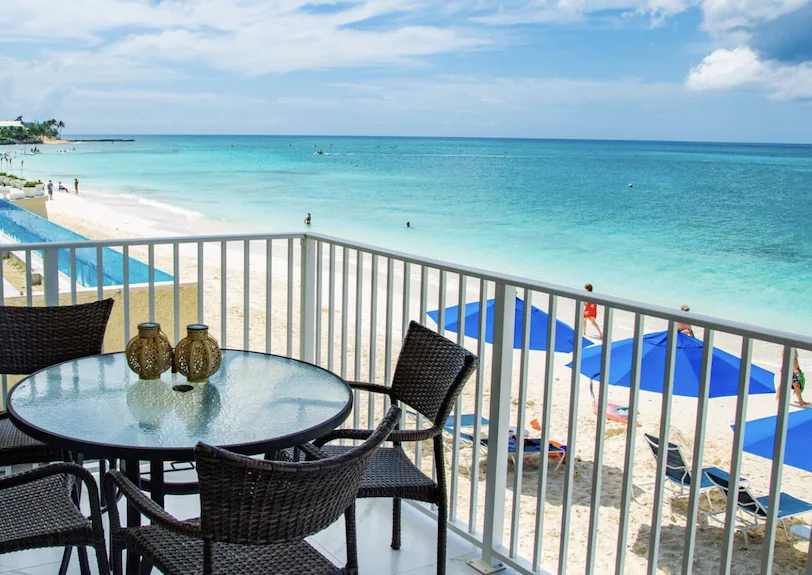
- Beachfront condos
- Luxury villas
- Canal-front homes
- Inland residential properties
What are the most popular areas to buy property?
Top areas include:
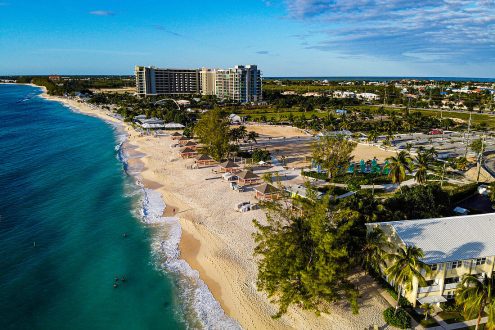
- Seven Mile Beach — luxury & beachfront
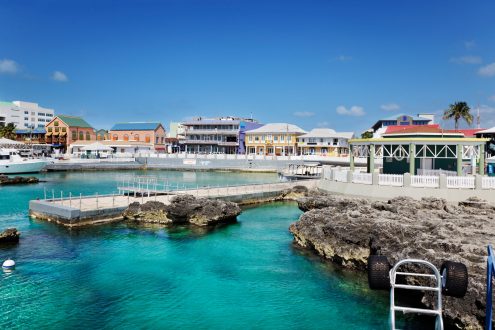
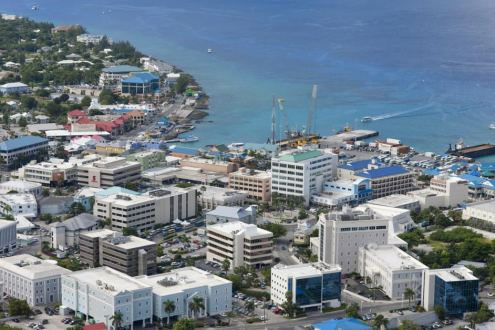
- George Town — urban & investment
- West Bay — emerging market
- Rum Point / North Side — quiet & lifestyle-focused
Are beachfront properties a good investment?
Yes. Beachfront properties are limited in supply and typically offer:
- Strong appreciation
- High rental income
- Long-term value stability
Is property ownership secure in Cayman?
Yes. The Cayman Islands have a British-based legal system and a reliable land registry, ensuring secure ownership rights.
Do you need a local lawyer to buy property?
Yes. A Cayman-based attorney is required to handle conveyancing and ensure a smooth transaction.
Is Cayman a good place to live?
Yes. It offers:
- High safety levels
- Excellent healthcare and schools
- Tax-neutral environment
- High quality of life
What is the cost of living in Cayman?
The cost of living is relatively high due to imports, but is balanced by no income tax and strong earning potential.
Can you rent out your property?
Yes. Owners can rent their property long-term or short-term, depending on zoning and strata rules.
Are property prices rising in Cayman?
Yes, but at a moderate and sustainable pace (~3–5% annually) after rapid growth in previous years.
Is now a good time to buy in Cayman?
Yes. The market has stabilized, offering:
- Predictable pricing
- Strong long-term growth
- Continued international demand
Share:
Related Posts