







The History of Tax-Free Status in the Cayman Islands — And Is Cayman Still Tax Free Today?
For high-net-worth individuals and global investors, the Cayman Islands has become synonymous with tax neutrality, financial security, and premium real estate investment.
But how did Cayman become tax-free—and more importantly, is it still tax free in 2026?
This in-depth guide explains the history, legal framework, and modern reality behind Cayman’s tax system—and why it continues to attract sophisticated property buyers worldwide.
1. The Origins of Cayman’s Tax-Free Status
The Cayman Islands’ tax-neutral structure wasn’t created overnight—it evolved over centuries.
Early Foundations (1700s–1900s)
- Cayman developed as a small maritime and trading economy
- There was no natural resource base, so governments avoided direct taxation
- Instead, revenue came from import duties and fees
Key Turning Point: 1960s Financial Strategy
In the 1960s, Cayman made a strategic decision to become an international financial center:
- Passed laws to attract global banking and investment firms
- Introduced zero direct taxation to remain competitive
- Established strong legal protections based on British common law
This positioned Cayman as a neutral platform for global capital, not a “tax loophole,” but a deliberate economic model.
2. The Rise of a Global Financial Hub
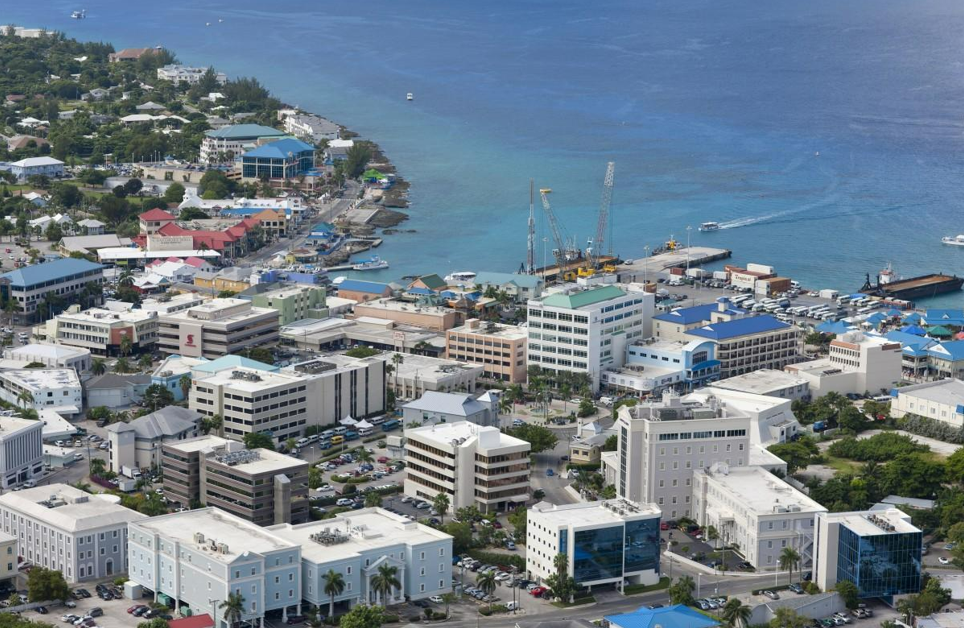
Over the past 50+ years, the Cayman Islands has grown into one of the world’s leading financial jurisdictions.
Today, Cayman is known for:
- Hosting thousands of investment funds and financial entities
- A stable, regulated banking sector
- Strong compliance with global standards (OECD, FATF)
Contrary to outdated perceptions, Cayman is highly regulated and transparent, making it attractive to institutional investors—not just individuals.
3. Is the Cayman Islands Still Tax Free in 2026?
Yes — Cayman remains tax neutral.
There are no direct taxes on individuals or property owners, including:
- ❌ No income tax
- ❌ No capital gains tax
- ❌ No property tax
- ❌ No inheritance tax
- ❌ No wealth tax
This is one of the key reasons why Cayman real estate continues to attract high-quality international buyers.
4. What Taxes DO Exist in Cayman?
While Cayman is tax neutral, it is not “tax-free” in the absolute sense.
The government generates revenue through:
- Import duties (on most goods brought into the islands)
- Stamp duty on property purchases (typically 7.5%)
- Business licensing fees
- Tourism-related fees
For property buyers, the primary cost is one-time stamp duty—there are no annual property taxes, which is a major advantage over the US, UK, and Canada.
5. Why Tax Neutrality Drives Real Estate Demand
Cayman’s tax structure directly fuels its real estate market.
Key benefits for property investors:
- Higher net returns (no capital gains or rental income tax locally)
- Strong appeal for wealth preservation
- Increased demand from global buyers seeking tax efficiency
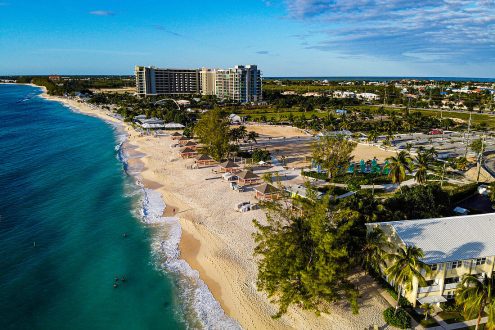
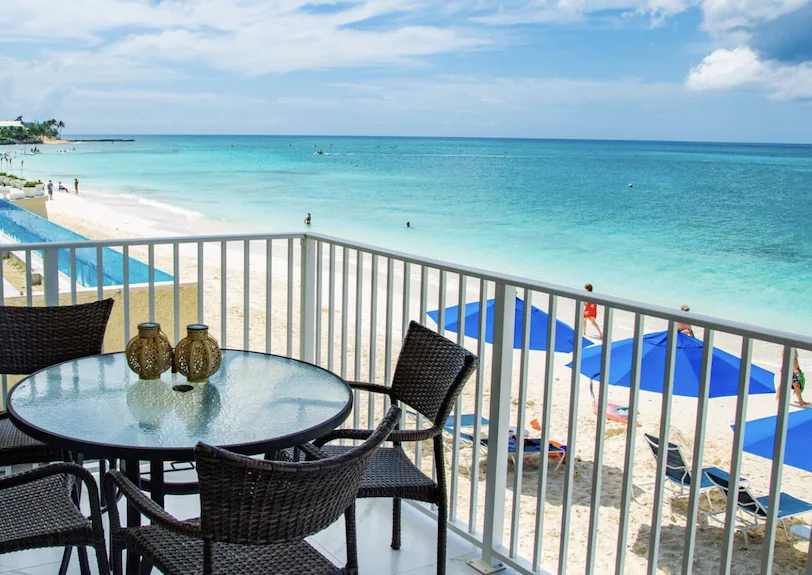
Prime areas like Seven Mile Beach, South Sound, and Cayman Kai consistently attract luxury buyers due to these advantages.
6. Important Note for International Buyers
Tax neutrality applies within Cayman—but your home country may still tax you.
For example:
- US citizens are taxed on worldwide income
- UK and Canadian residents may have reporting obligations
High-net-worth buyers typically work with:
- International tax advisors
- Wealth managers
- Legal professionals
to structure ownership efficiently.
7. Stability, Compliance & Global Reputation
The Cayman Islands is often misunderstood—but in reality:
- It complies with international tax transparency standards
- It is not considered a “blacklisted” jurisdiction by major economies
- It maintains a strong legal and regulatory framework
This balance of tax neutrality + compliance is what makes Cayman unique.
8. Why Wealthy Buyers Choose Cayman
High-end buyers are not just looking for tax benefits—they want security and lifestyle.
Cayman offers:
- Political stability as a British Overseas Territory
- No restrictions on foreign property ownership
- A world-class lifestyle (beaches, yachting, dining, safety)
- Strong resale and rental demand
Is Cayman Truly Tax Free?
Yes—with an important distinction.
The Cayman Islands is best described as tax neutral, meaning:
- No direct taxes on income, property, or capital gains
- Revenue generated through indirect methods like duties and fees
For high-net-worth investors, this creates a powerful combination of:
- ✔ Financial efficiency
- ✔ Legal security
- ✔ Global credibility
Considering Property in the Cayman Islands?
Whether you’re searching for a luxury beachfront condo, a private villa, or a high-performing investment property, Cayman offers one of the most secure and tax-efficient real estate markets in the world.
Recent Cayman Island Properties for Sale
Blog Cayman Real Estate
Why MOD Realty Cayman Joined the Chestertons Global